Cashing out of a C Corporation can feel complicated and expensive if you don’t plan ahead. Unlike pass-through entities like S-Corporations or LLCs, C Corps face double taxation — the corporation pays tax on its profits, and then shareholders may pay tax again when cash is paid out as dividends or sale proceeds. With smart planning, you can reduce taxes, keep more of your hard-earned money, and avoid common tax pitfalls.
This guide explains practical, tax-smart strategies you can use when planning your exit or taking cash out of your C Corporation. We’ll keep it simple, real, and actionable.
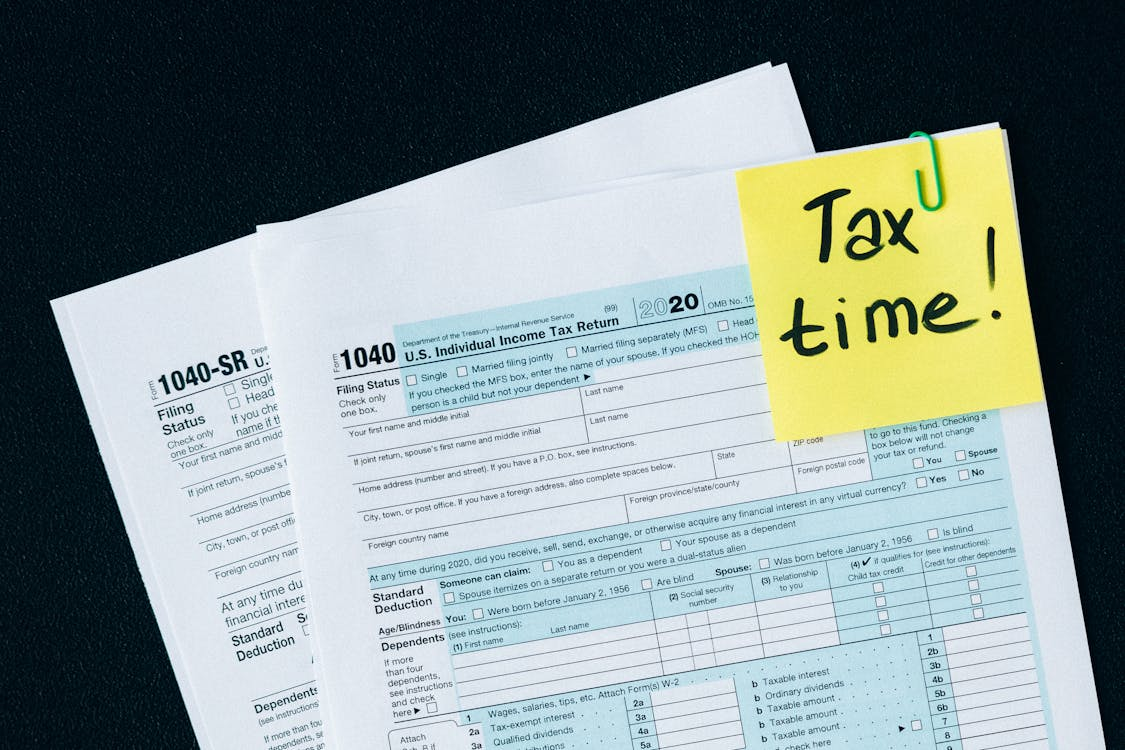
What Makes Cashing Out of a C Corp Taxing
Before we dive into strategies, let’s quickly recap why cashing out from a C Corporation is often more expensive:
- C Corporations pay tax on profits at the corporate level first.
- When profit is distributed to owners as dividends, the shareholder pays tax again.
- This double taxation can significantly reduce the after-tax money you take home.
Knowing this upfront helps you choose safer, more efficient tax strategies.
1. Use Reasonable Compensation Instead of Dividends
One of the simplest tax-smart strategies for cashing out is to pay yourself a reasonable salary and bonus instead of dividends.
- Why it helps: Salary is a deductible expense for the corporation, lowering overall corporate taxable income.
- Important: The IRS looks at reasonable compensation closely. You must justify your pay based on market rates and the services you provide.
This strategy works best if you are actively involved in running the business.
2. Take a Loan from the Corporation
Rather than declaring dividends, you might structure a loan from the corporation:
- Create a formal loan agreement with clear terms, interest, and a payment schedule.
- If treated as a real loan, it won’t be taxed as a dividend.
- However, if the IRS considers it a disguised dividend, you could face extra taxes and penalties.
To avoid trouble, be sure the loan looks like a real loan in every way.
3. Lease Personal Property to the Corporation
If you own valuable assets (for example, real estate or equipment), you can lease them to your corporation:
- The corporation pays you fair market rent.
- These rent payments are deductible to the corporation.
- You receive taxable rental income personally, but this avoids double taxation on retained earnings.
Just be sure the rental rate is fair and well documented.
4. Fringe Benefits and Retirement Contributions
Providing yourself with deductible fringe benefits and retirement contributions can be another tax-smart move:
- Certain benefits like health insurance or contributions to a qualified retirement plan are deductible for the corporation.
- Some benefits may be tax-free to you personally.
This won’t replace a full cash exit, but it can move you real value while reducing corporate taxable income.
5. Plan for a Liquidation or Stock Redemption
If your goal is an outright exit, liquidation or stock redemption may be more tax efficient than dividends:
- In a complete liquidation, shareholders receive cash or property in exchange for stock.
- Gain recognized by shareholders is taxed like a stock sale — usually at capital gains rates — rather than dividend rates.
- Proper planning is key to make this treatment apply.
This strategy can save you significant tax compared to taking cash as a dividend.
6. Consider Section 1202 (Qualified Small Business Stock)
If your C Corporation qualifies as a Qualified Small Business (QSBS) and you’ve held your stock for at least five years, you may be able to exclude a large portion of gain from federal tax upon sale. This can be a game changer in lowering exit taxes.
QSBS planning needs to start before you sell, so include this in long-term tax planning.
7. Work with a Pro for Corporate Structure Moves
In some cases, changing your business structure — for example, converting the C Corporation to an S Corporation or LLC — before selling or exiting can dramatically change your tax bill.
This kind of transformation has immediate tax consequences, so you need a tax professional’s help to navigate it.
Frequently Asked Questions (FAQs)
About Tax-Smart Strategies for Cashing Out from a C Corporation
What is the best way to cash out of a C Corporation with minimum tax?
There’s no one-size-fits-all answer. Some owners use salary and bonuses, others use leases or loans, and many plan for stock redemption or complete liquidation to get capital gains treatment.
Can I avoid double taxation when taking money out of a C Corp?
Yes. Strategies that avoid dividend treatment — such as reasonable compensation, bona-fide loans, or asset leases — can reduce or avoid double taxation when done correctly.
What is the role of QSBS in a C Corp exit?
Qualified Small Business Stock (QSBS) can allow shareholders to exclude a significant chunk of gain from tax if certain conditions are met, including a minimum holding period.
FAQs About Ivy Tax & Business Inc.
Who is Ivy Tax & Business Inc?
Ivy Tax & Business Inc. is a CPA-led tax and business advisory firm that helps business owners reduce tax liability, stay compliant, and build long-term wealth. They serve clients across the U.S. with proactive tax planning and advice.
What services does Ivy Tax & Business Inc offer?
They provide tax preparation, business tax planning, bookkeeping, entity selection guidance, multi-state returns, and IRS issue resolution.
Can they help with C Corporation exit planning?
Yes. Part of their tax strategy services includes helping corporations and owners plan exits, optimize tax outcomes, and structure cash distributions in a tax-efficient way.
How does their process work?
They begin with a business tax review, identify tax risks and savings, create a customized strategy aligned with your goals, and provide compliance and year-round support.
Do they only serve New York clients?
While based in New York, Ivy Tax & Business Inc serves clients nationwide with remote meetings and support.
Final Notes
Cashing out of a C Corporation doesn’t have to be a tax nightmare. With thoughtful, tax-smart strategies and professional guidance, you can protect more of your value and make confident decisions. Always consult a CPA or tax expert early in your planning journey.
Disclaimer:
The information provided on this blog is for general educational and informational purposes only and does not constitute tax, legal, or financial advice. Reading or using this content does not create a CPA-client relationship. Tax laws and regulations change frequently and vary based on individual circumstances. You should consult a qualified tax professional regarding your specific situation before taking any action.